
The Health Benefits of Walking 30 Minutes Daily


Walking is one of the easiest and most accessible forms of exercise. You don’t need a gym membership, expensive equipment, or special skills—just a comfortable pair of shoes and 30 minutes of your time. Despite its simplicity, walking daily provides powerful health benefits that can improve both your physical and mental well-being. Here’s why this simple habit can transform your health.
1. Boosts Heart Health
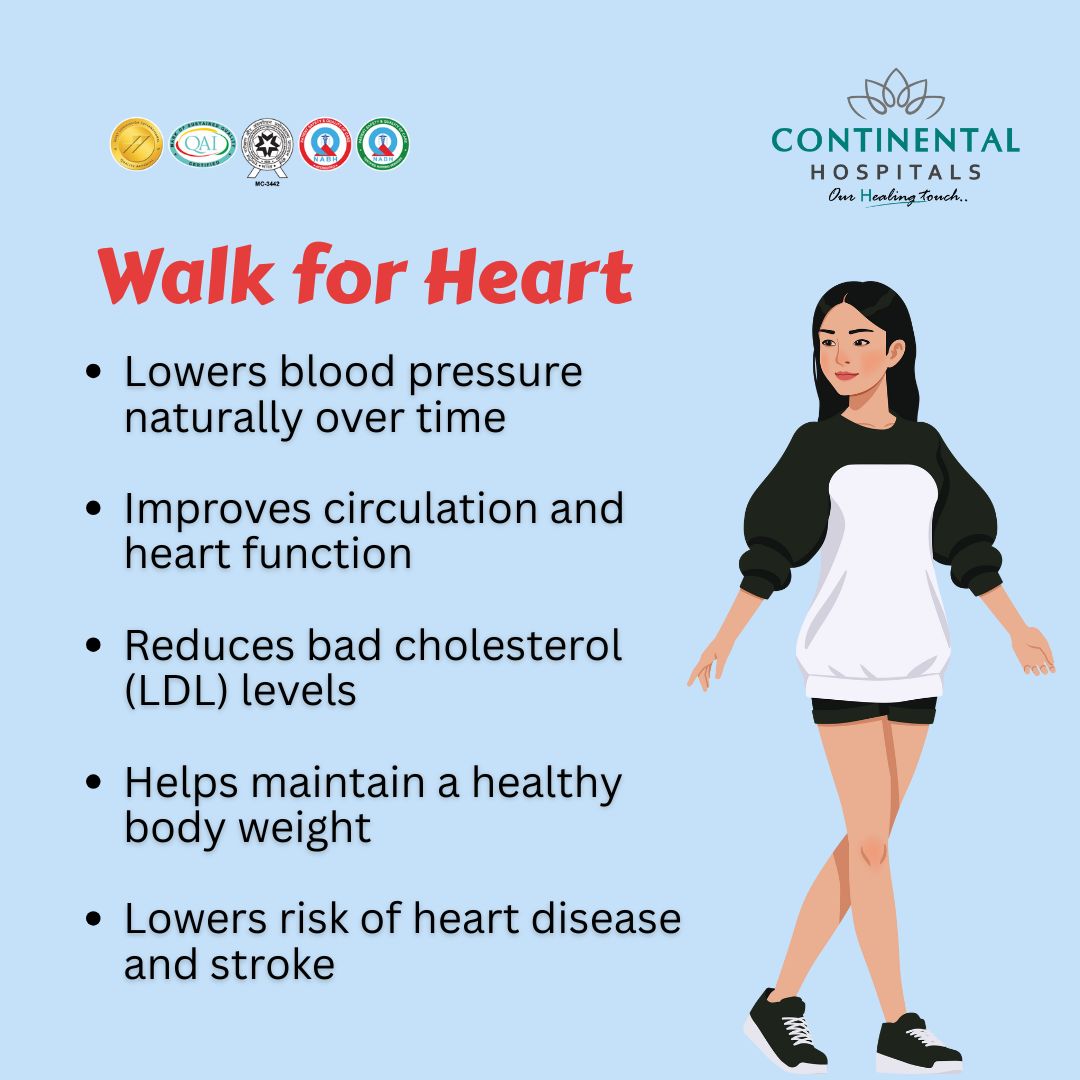

Walking increases your heart rate, strengthens your heart muscles, and improves blood circulation.
Benefits include:
Lower risk of heart disease
Reduced blood pressure
Improved cholesterol levels
Better overall cardiovascular function
Just 30 minutes of brisk walking can significantly strengthen your heart.
2. Helps with Weight Management
Walking burns calories and boosts metabolism without putting stress on your joints.
30 minutes of moderate walking can burn:
150–200 calories, depending on your speed and body weight.
Regular walking helps:
Reduce body fat
Prevent weight gain
Improve body composition
It’s a great option for beginners, seniors, and anyone wanting easy but effective movement.
3. Improves Mood and Reduces Stress
Walking releases endorphins, the “feel-good” chemicals in your brain.
Benefits for mental health:
Reduces stress and anxiety
Improves mood and emotional balance
Enhances creativity and problem-solving
Helps reduce symptoms of mild depression
Walking outdoors adds extra mental benefits due to sunlight and fresh air.
4. Strengthens Muscles and Bones
A daily walk helps maintain your body’s strength, especially as you age.
Walking builds:
Leg muscles (calves, quads, hamstrings)
Core strength
Better posture and balance
It also increases bone density, reducing the risk of osteoporosis.
5. Supports Healthy Blood Sugar Levels
Even a short walk can help your body use insulin more effectively.
Benefits:
Prevents blood sugar spikes after meals
Lowers the risk of type 2 diabetes
Helps manage glucose levels for diabetics
A 10-minute walk after each meal is especially effective.
6. Enhances Digestion
Walking boosts the movement of food through your digestive system.
It can help:
Reduce bloating
Improve bowel movement
Lower risk of constipation
Support better gut health overall
Walking after meals is one of the simplest ways to improve digestion naturally.
7. Boosts Immune System
Regular walking strengthens your immune function by improving circulation.
This helps:
Transport immune cells more efficiently
Reduce inflammation
Lower risk of infections and illnesses
Even 20–30 minutes of daily walking shows measurable immune improvement.
8. Improves Sleep Quality
Walking helps regulate your internal clock (circadian rhythm), reduces stress, and relaxes the body.
Benefits:
Fall asleep faster
Enjoy deeper sleep
Wake up feeling more refreshed
Morning or afternoon walks are ideal for improving sleep patterns.
9. Promotes Longevity
Studies show that daily walking can significantly increase life expectancy.
Why? Because it lowers the risk of:
Heart disease
Diabetes
Obesity
Stroke
Certain cancers
A simple walk each day leads to long-term health benefits.
How to Make Walking a Daily Habit
Set a fixed walking time (morning or evening)
Start with 15 minutes, increase to 30
Walk with a friend or pet
Listen to music, podcasts, or audiobooks
Track steps with a smartwatch or phone
Choose scenic routes for motivation
Consistency is more important than speed.
