

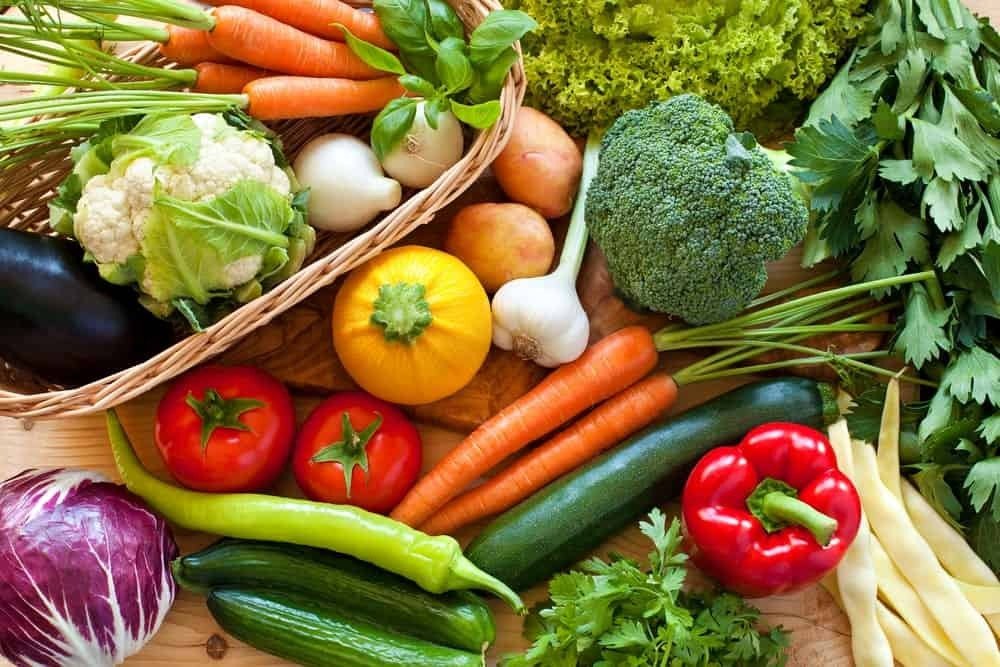
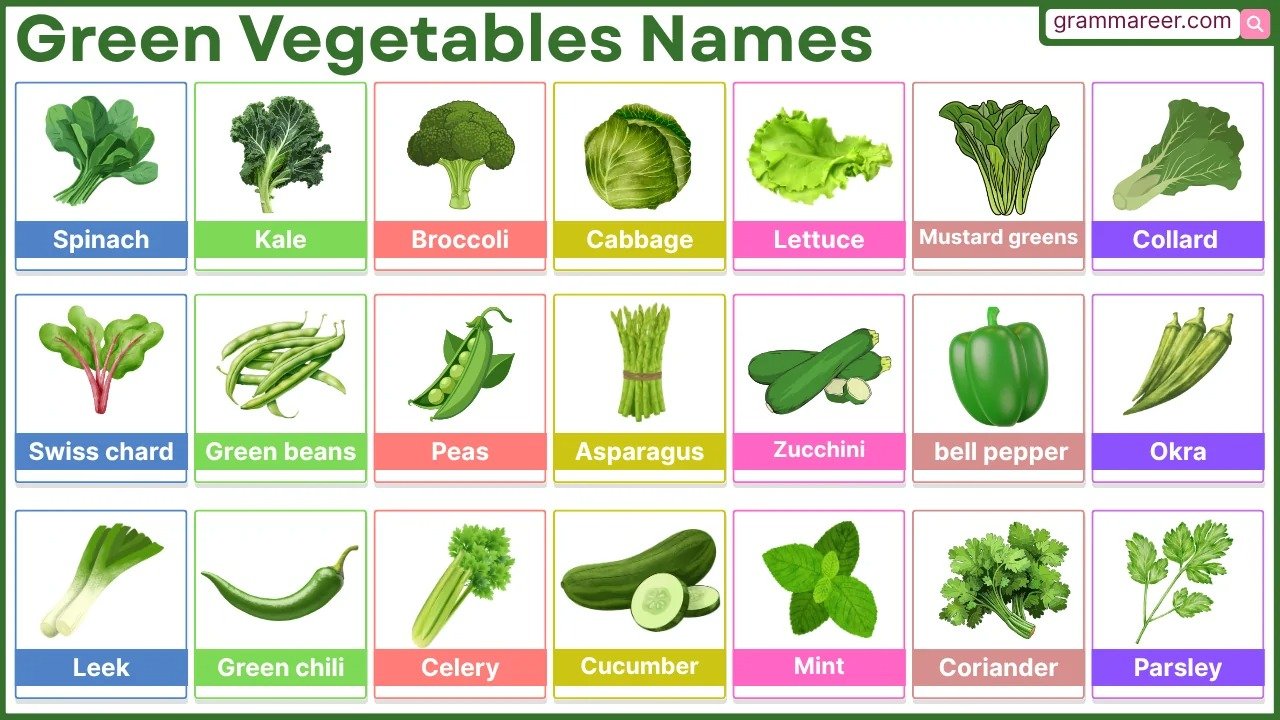
Vegetables are one of the most essential parts of a healthy diet. Packed with vitamins, minerals, fiber, and antioxidants, they protect your body from disease, help maintain a healthy weight, and improve digestion. Whether you’re trying to eat better or simply curious about the healthiest options, this guide explains everything you need to know.
Why Vegetables Are Important for Health
Vegetables provide:
Essential vitamins (A, C, K, B-complex)
Minerals (potassium, calcium, magnesium)
Dietary fiber for digestion
Antioxidants that protect cells
Low calories and zero unhealthy fats
Eating a wide variety of vegetables can lower the risk of heart disease, diabetes, obesity, and some cancers.
Top 10 Healthiest Vegetables You Should Eat
1. Broccoli
Broccoli is rich in vitamin C, fiber, and cancer-fighting antioxidants.
Benefits:
Supports immune system
Protects against cell damage
Improves digestion
Best way to eat: Lightly steamed or stir-fried.
2. Spinach
One of the most nutrient-dense greens.
Rich in: Iron, magnesium, calcium, folate, and vitamin K.
Benefits:
Boosts energy
Supports bone health
Strengthens eyes
Best way: Add to salads, smoothies, omelets.
3. Carrots
Carrots contain beta-carotene, which converts to vitamin A.
Benefits:
Improves eye health
Supports skin glow
Boosts immunity
Best way: Raw, steamed, roasted.
4. Kale
A superfood packed with antioxidants.
Benefits:
Reduces inflammation
Supports heart health
Rich in fiber
Best way: Salad, sautéed, baked as kale chips.
5. Tomatoes
Technically a fruit, but often used as a vegetable.
Rich in: Lycopene, vitamin C, potassium.
Benefits:
Protects heart
Good for skin
May reduce cancer risk
6. Bell Peppers
Colorful peppers are full of vitamins and sweetness.
Benefits:
Boosts immunity
Supports metabolism
Great for weight loss
7. Garlic
Small but powerful.
Benefits:
Fights infections
Lowers cholesterol
Reduces inflammation
Best way: Cooked or raw for maximum benefits.
8. Cauliflower
A low-carb alternative to rice and potatoes.
Benefits:
Supports weight loss
Improves digestion
High in vitamin C
9. Sweet Potatoes
High in vitamin A, fiber, and antioxidants.
Benefits:
Long-lasting energy
Good for gut health
Supports healthy skin
10. Green Beans
A simple vegetable with excellent nutrients.
Benefits:
Low in calories
High in fiber
Supports heart health
How Many Vegetables Should You Eat Daily?
Health experts recommend at least:
✔ 2–3 cups of vegetables per day
✔ More variety = more nutrients
Fresh, frozen, or steamed vegetables are all healthy options.
Tips to Add More Vegetables to Your Diet
Here are simple ways:
Add a salad to every meal
Include vegetables in stir-fries
Blend spinach or kale into smoothies
Replace rice with cauliflower rice
Snack on carrots or cucumbers
Add veggies to soups and noodles
Small changes can make a big difference.
Conclusion
Vegetables are essential for your overall health. By eating different colors and types, you give your body the nutrients it needs to stay strong, energetic, and disease-free. Start adding more vegetables to your meals today — your body will thank you.
