

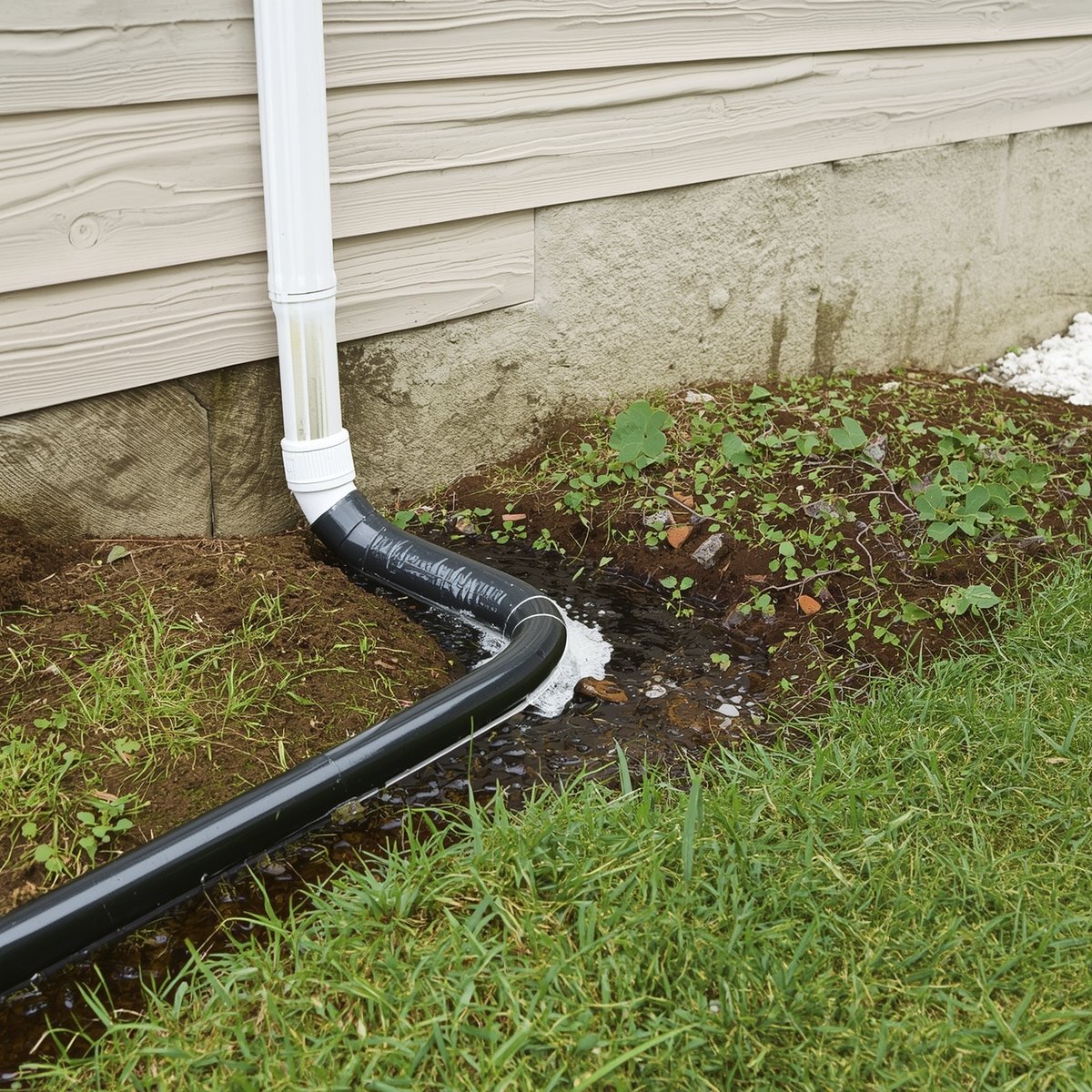
✅ 1. Seal Interior Cracks With Hydraulic Cement
Summary:
Hydraulic cement expands as it dries, sealing cracks where water seeps through. It’s the fastest DIY fix for active leaks.
How to do it:
Chip out the crack so it forms a “V” shape (wider inside).
Brush out dust and dampen the area.
Mix hydraulic cement (it sets fast).
Press the cement deep into the crack.
Hold for 2–3 minutes until it hardens.
Best for: small crack leaks, corner seepage, pipe penetration leaks.
✅ 2. Apply Interior Waterproofing Paint
Summary:
A thick waterproofing coating (Drylok, KILZ Basement, etc.) stops moisture from sweating through basement walls.
How to do it:
Clean walls with a brush and TSP cleaner.
Remove any loose paint or efflorescence.
Patch cracks first (hydraulic cement).
Roll/brush 2–3 coats of waterproofing paint.
Let each coat fully dry (follow label).
Best for: damp walls, moisture seepage, musty basements.
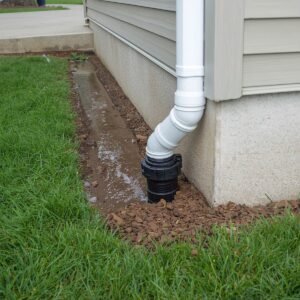
✅ 3. Install a Gutter Downspout Extension
Summary:
Most basement leaks start from roof water dumping beside the foundation. Extending downspouts is one of the easiest Albany waterproofing fixes.
How to do it:
Attach a flexible or rigid downspout extension.
Make sure it reaches at least 6–10 feet away from the house.
Add a splash block or gravel pad at the end.
Ensure gutters are clean and pitched properly.
Best for: water entering foundation walls during rain.
✅ 4. Regrade Soil Away From the Foundation
Summary:
Albany homes often settle over time, causing soil to slope toward the house. Reshaping the soil slope prevents water from running against basement walls.
How to do it:
Add clean fill dirt around the house perimeter.
Create a slope of 1 inch per foot for 6–10 feet out.
Compact soil firmly (don’t use mulch).
Add topsoil and grass seed on top.
Best for: water pooling against basement walls, soil erosion, wet corners.
✅ 5. Install an Exterior French Drain (Advanced DIY)
Summary:
A French drain captures groundwater and redirects it away from the foundation. This is the most effective long-term solution.
How to do it:
Dig a trench around the wet side of the home (18–24 inches deep).
Slope trench away from the house (1–2% slope).
Lay landscape fabric in the trench.
Add 3–4 inches of gravel.
Place perforated drain pipe (holes down).
Cover pipe with more gravel.
Wrap fabric over the top.
Cover with soil and grass.
